

If you’re a homeowner facing financial challenges and struggling to keep up with mortgage payments, you may be wondering when to consider a short sale as a viable option. When should homeowners consider a short sale? This crucial decision can help avoid foreclosure and minimize long-term financial damage during difficult times. Financial hardships such as job loss, medical emergencies, or significant market downturns can place homeowners in precarious positions where traditional selling options become unfeasible. In this blog post, Southwest Florida real estate expert Carlos Cachon discusses when homeowners should consider a short sale and what factors make it the right choice for their situation.
Key Takeaways:
- Short sales are appropriate when homeowners face legitimate financial hardship and negative equity in their property
- A short sale typically has less severe credit consequences than foreclosure, making it preferable when foreclosure is imminent
- Lender approval is essential and more likely when they’ll recover more through a short sale than foreclosure
- Working with an experienced short sale specialist like Carlos Cachon can significantly streamline the complex process
Understanding What Makes a Short Sale Necessary
A short sale occurs when a homeowner sells their property for less than the amount owed on the mortgage, with the lender agreeing to accept the sale proceeds as full or partial satisfaction of the debt. This option becomes necessary when specific financial circumstances align. First and foremost, homeowners must be experiencing genuine financial hardship that prevents them from maintaining mortgage payments. This could stem from job loss, medical bills, divorce, or other significant life changes that impact income stability.
Second, the property must be underwater or have negative equity—meaning the home’s current market value has fallen below the outstanding mortgage balance. This situation is particularly common during real estate market downturns or in areas experiencing economic challenges. Without sufficient equity, conventional selling options become impossible since the sale proceeds wouldn’t cover the mortgage payoff.
“The decision to pursue a short sale should never be taken lightly, but when homeowners face genuine financial distress combined with negative equity, it often represents the most responsible path forward,” says real estate expert Carlos Cachon. “The key is recognizing these warning signs early before foreclosure proceedings begin.”
Comparing Short Sales to Foreclosure and Other Alternatives
When financial difficulties arise, homeowners have several options to consider, with short sales and foreclosure being two prominent choices in severe cases. Understanding the differences between these options is crucial for making an informed decision that best protects your financial future and credit standing.
Short sales offer several advantages over foreclosure. Most notably, the impact on your credit score is typically less severe. While a short sale will certainly affect your credit, dropping it by approximately 50-150 points depending on your starting score, this damage is generally less than the 200-400 point drop often associated with foreclosure. Additionally, the recovery time for your credit is faster after a short sale, potentially allowing you to qualify for a new mortgage in as little as 2-3 years, compared to 5-7 years following a foreclosure.
Beyond credit implications, short sales often allow for a more dignified transition from your property. You maintain some control over the selling process and timeline, rather than facing eviction through foreclosure proceedings. This control can significantly reduce the emotional stress of losing your home and provide valuable time to make relocation arrangements.
Before committing to a short sale, homeowners should explore alternatives such as loan modifications, refinancing options, or forbearance agreements. However, when these options have been exhausted or aren’t feasible due to severe negative equity, a short sale often emerges as the most practical solution to avoid foreclosure.
The Timing and Market Conditions for Short Sales
The timing of a short sale can significantly impact its success and the financial outcomes for all parties involved. Ideally, homeowners should begin exploring the short sale option at the first signs of serious financial distress, before falling several months behind on mortgage payments. Early action demonstrates good faith to lenders and provides more time to navigate the complex approval process.
Market conditions play a crucial role in short sale viability. During periods of declining property values, lenders may be more receptive to short sale proposals since they stand to lose more through the foreclosure process. Conversely, in rising markets, lenders might be less motivated to approve short sales, anticipating that property values could increase enough to cover the loan amount through foreclosure and subsequent sale.
In Southwest Florida, seasonal market fluctuations can impact short sale timing. Working with a local real estate expert who understands these patterns can help identify optimal timing windows that increase approval chances and potentially yield better terms from lenders. The real estate market’s current trajectory, local economic conditions, and property-specific factors all influence whether a short sale represents the best option at any given time.
Working with Experienced Short Sale Professionals
Successfully navigating a short sale requires specialized expertise due to the complex negotiation process with lenders and numerous documentation requirements. Working with a real estate professional experienced in short sales can make the difference between approval and rejection. These specialists understand lender expectations, know how to prepare compelling hardship packages, and can effectively communicate with all parties involved.
An experienced short sale specialist will help you gather and organize essential documentation, including financial statements, hardship letters, income verification, and property information. They’ll also provide realistic valuation assessments that lenders will find credible, increasing the chances of short sale approval. Additionally, they can shield you from direct lender communications, reducing stress during an already difficult time.
Legal and tax implications of short sales can be significant, including potential tax consequences from forgiven debt. Consulting with tax professionals and real estate attorneys who specialize in short sales ensures you understand these implications before proceeding. The right professional team can identify potential issues before they become problems and develop strategies to mitigate negative consequences.
To Discuss Your Home Sale or Purchase, Call or Text Today and Start Packing!
Why Choose Carlos Cachon To Buy or Sell a House?
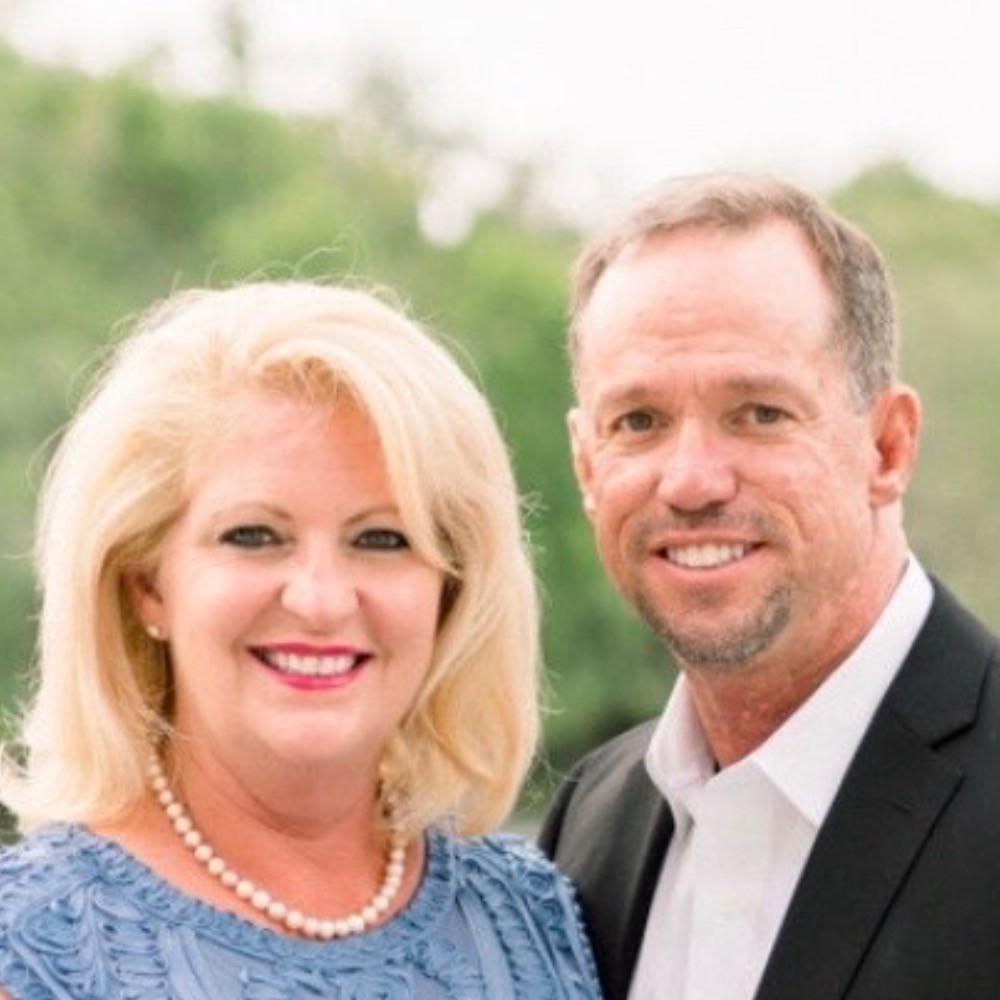
When facing the complexities of a short sale, working with Carlos Cachon of Cachon Realty Group - Your Home Sold Guaranteed provides you with unmatched expertise and support. Carlos has established himself as one of Southwest Florida’s premier short sale specialists, with extensive experience successfully negotiating with lenders throughout Naples, Fort Myers, and surrounding communities. His deep understanding of the local market combined with specialized short sale knowledge enables him to achieve outcomes that protect homeowners’ interests during challenging financial situations.
The Cachon Team offers several exclusive guarantees that provide peace of mind during uncertain times. Their Guaranteed Sale Program ensures your home sells for a specific price, or they’ll buy it themselves—a commitment few realtors are willing to make. Additionally, their Seller Cancellation Guarantee gives you complete control, allowing you to end your listing agreement at any time before receiving an offer, without penalties or fees.
Carlos and his team have built a sterling reputation in Southwest Florida, backed by hundreds of 5-Star Google reviews that testify to their professionalism, responsiveness, and ability to achieve results even in difficult circumstances. Their commitment to the community extends beyond real estate transactions, with portions of their income supporting local charities including the Parkinson Association of Southwest Florida.
If you’re considering a short sale or want to explore your options when facing financial hardship, call or text Carlos Cachon today at 239-399-5432 for a confidential consultation. As a short sale expert, Carlos can provide the guidance you need to make informed decisions that protect your financial future while navigating this challenging process with dignity and professional support.
Frequently Asked Question
A short sale typically takes 3-6 months to complete, depending on the lender’s responsiveness, the complexity of your financial situation, and market conditions. While this is longer than a traditional home sale, it’s generally faster than a foreclosure process, which can extend 12-18 months or longer in Florida. The short sale timeline includes preparing documentation, listing the property, receiving offers, obtaining lender approval, and closing. Working with an experienced short sale specialist like Carlos Cachon can help streamline this process and increase the likelihood of a timely approval from your lender.