

Navigating the world of short sales can be confusing and stressful for homeowners facing financial difficulties. One of the most common questions that arises is just how often banks actually accept short sale offers. This uncertainty can create additional anxiety during an already challenging time. In this blog post, Naples real estate expert Carlos Cachon discusses how often banks accept short sale offers and what factors influence their decisions.
Banks typically accept short sale offers 40-50% of the time, with acceptance rates varying based on market conditions, the borrower’s documented financial hardship, how close the offer is to market value, and whether multiple lienholders are involved in the property.
Key Takeaways:
- Banks generally accept short sale offers 40-50% of the time, with rates fluctuating based on economic conditions and housing market strength
- Lenders are more likely to approve short sales when borrowers can demonstrate genuine financial hardship and the offer is at least 80-90% of the property’s current market value
- Working with an experienced real estate professional significantly increases the chances of short sale approval through proper documentation and negotiation
To Discuss Your Home Sale or Purchase, Call or Text Today and Start Packing!
Understanding Bank Perspectives on Short Sales
To understand how often banks accept short sale offers, it’s important to recognize the lender’s perspective. Banks are primarily concerned with minimizing losses on their investment. When a homeowner can no longer make mortgage payments, the bank must decide whether a short sale will result in a smaller financial loss than proceeding with foreclosure.
“From the bank’s perspective, a short sale is a business decision, not an emotional one. They’re comparing potential losses between different scenarios and choosing the option that makes the most financial sense for their institution,” explains real estate expert Carlos Cachon.
Foreclosures are expensive for banks, involving legal fees, property maintenance, and extended vacancy periods. A short sale can often be the more economical choice, especially in markets where home values have declined or when properties might require significant maintenance.
Market Conditions Significantly Impact Acceptance Rates
The overall health of the real estate market is one of the most influential factors in short sale acceptance rates. During housing market downturns or economic recessions, banks are typically more willing to approve short sales because the alternative—foreclosure and subsequent resale—often results in greater losses.
In stronger housing markets, banks might be less inclined to accept short sale offers, particularly if they believe they can recover more through the foreclosure process. However, even in robust markets, the costs and time associated with foreclosure can still make short sales attractive to lenders.
Current acceptance trends suggest that approximately 40-50% of short sale offers receive approval, though this percentage fluctuates based on regional market conditions and economic cycles. In areas where Southwest Florida real estate values have remained stable or grown, banks may have higher expectations for short sale offers.
Financial Hardship Documentation Is Critical
The likelihood of short sale acceptance rises significantly when homeowners can clearly demonstrate genuine financial hardship. Banks are more receptive to short sale proposals when they understand that the borrower’s inability to pay is due to circumstances beyond their control, such as:
- Job loss or significant income reduction
- Major medical issues resulting in substantial bills
- Divorce or death of a co-borrower
- Relocation due to employment changes
- Business failure
Proper documentation of these hardships is essential. Lenders review financial statements, tax returns, pay stubs, and hardship letters to verify the borrower’s situation. The more thoroughly documented the hardship, the higher the chances of short sale acceptance.
Offer Amount Relative to Market Value
Banks rarely accept short sale offers that fall far below market value. Most lenders aim to recoup approximately 80-90% of the current market value of the property through a short sale. Offers that approach this threshold have significantly higher acceptance rates than lowball offers.
“One of the biggest misconceptions about short sales is that banks will accept dramatically reduced prices. In reality, lenders carefully analyze the current market value and won’t approve offers that fall too far below their minimum acceptable threshold,” says Carlos Cachon.
Professional appraisals and comparative market analyses help establish realistic price expectations. When making short sale offers, buyers should be aware that banks typically conduct their own valuation to determine if the offer is reasonable.
Lender Policies Vary Significantly
Different financial institutions have widely varying policies regarding short sales. Large national banks often have standardized procedures and dedicated departments for handling short sales, making their decision-making more predictable. These institutions may accept short sales more frequently due to their established processes.
In contrast, smaller banks, credit unions, or loan servicers may evaluate short sale offers on a case-by-case basis, sometimes resulting in lower acceptance rates or longer decision timeframes. Some lenders are known within the industry as being more amenable to short sales than others.
Government-backed loans through FHA, VA, or USDA have their own specific guidelines for short sale approvals. These loans may have different acceptance rates compared to conventional mortgages due to their unique requirements and procedures.
Multiple Lienholders Complicate Approval
Properties with multiple mortgages or liens face more complex short sale approval processes. Each lienholder must agree to the terms, and junior lienholders (those second or third in line) often receive little or nothing from the proceeds, making them potential obstacles to approval.
When multiple lenders are involved, acceptance rates typically decrease unless the primary lender is willing to offer financial incentives to junior lienholders. Negotiating with multiple parties requires significant expertise and often extends the timeline for receiving a decision.
Homeowners with second mortgages, home equity lines of credit, or other liens should be prepared for a more challenging short sale process with potentially lower chances of acceptance.
Professional Representation Improves Acceptance Odds
Working with an experienced real estate agent who specializes in short sales can significantly increase acceptance rates. These professionals understand how to:
- Prepare comprehensive short sale packages that address lender requirements
- Negotiate effectively with bank loss mitigation departments
- Manage communications between all parties involved
- Navigate complex situations with multiple lienholders
- Present offers in ways that highlight their benefits to the lender
Homeowners attempting to navigate short sales without professional representation typically experience lower acceptance rates and more challenges throughout the process.
Why Choose Carlos Cachon For Expert Guidance on Short Sales?
If you’re considering a short sale or need to make an offer on a short sale property, having knowledgeable guidance is essential. Carlos Cachon brings decades of real estate experience and has consistently ranked among the top-producing realtors in Southwest Florida since 2005. Even during challenging market periods, Carlos has maintained his position as a top-performing agent, demonstrating his ability to navigate complex real estate situations like short sales.
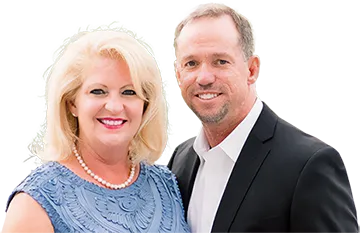
The Cachon Team has earned hundreds of 5 star Google reviews from satisfied clients who have trusted them with their most important financial assets. Their deep understanding of the Naples real estate market and commitment to client success sets them apart from other real estate professionals.
With decades of experience in Naples and Southwest Florida, our team understands the local market dynamics and can provide personalized advice for your specific situation. We offer several unique guarantees that demonstrate our commitment to client success, including our Your Home Sold Guaranteed program and Buyer Cancellation Guarantee that provides peace of mind during what can be a stressful process. All incentives and guarantees must be agreed upon and in writing.
If you’re ready to navigate the complexities of a short sale or want to understand your options when making an offer on a short sale property, call 239-399-5432 today for a confidential consultation about your real estate options. The team at Cachon Realty Group - Your Home Sold Guaranteed has extensive experience helping homeowners through difficult financial situations and planning their return to homeownership.
FAQ
A typical short sale takes approximately 3-6 months to complete from offer acceptance to closing, though this timeline can vary significantly depending on several factors. The lender’s responsiveness, the complexity of your financial situation, the number of lienholders involved, and the completeness of your documentation all impact the process duration. National banks with established short sale departments may move more quickly than smaller institutions without dedicated staff. To expedite the process, work with an experienced real estate agent who specializes in short sales, submit all required documentation promptly and completely, and maintain regular communication with all parties involved. While patience is necessary, proper preparation and professional guidance can help avoid unnecessary delays in completing your short sale.