

Not sure what legal issues you should be aware of when buying foreclosures? Purchasing a foreclosed property in Naples, Florida, can be an exceptional investment opportunity. Understanding potential pitfalls before you buy can save you thousands in unexpected costs and legal complications down the road.
In this blog post, Naples realtor Carlos Cachon and the professionals at Cachon Realty Group - Your Home Sold Guaranteed will discuss what legal issues you should be aware of when buying foreclosures.
When buying foreclosures, the legal issues you should be aware of include title issues and hidden liens, Florida’s judicial foreclosure process, redemption rights, property condition risks with as-is sales, potential occupancy and eviction issues, and the lender’s legal standing to foreclose. Working with experienced legal counsel is essential for protecting your investment.
To Discuss Your Home Sale or Purchase, Call or Text Today and Start Packing!
Key Takeaways:
- Foreclosed properties often carry hidden liens and title defects that require thorough investigation and title insurance protection.
- Florida’s judicial foreclosure process adds complexity with redemption rights and timing.
- Properties are sold as-is, requiring professional inspections and potential eviction planning.
- The lender’s legal standing must be verified to ensure the foreclosure is valid and enforceable.
What Legal Issues Should I Be Aware of When Buying Foreclosures? – 5 Factors
1. Title Issues and Hidden Liens
One of the most significant risks when purchasing foreclosed properties is inheriting unresolved financial obligations. Foreclosed homes often carry unpaid property taxes, homeowners association fees, contractor liens, or other claims that weren’t properly addressed during the foreclosure process.
In Naples, where foreclosures require court approval, procedural errors can leave title defects that become your responsibility as the new owner.
Common hidden liens you might encounter include:
- Unpaid property taxes from previous years
- Outstanding HOA fees and special assessments
- Mechanic’s liens from unpaid contractors
- IRS tax liens or other federal obligations
- Second mortgages or home equity lines of credit
Naples real estate expert Carlos Cachon explains,
“The biggest mistake I see buyers make is assuming the foreclosure process cleared all liens and debts. A thorough title search is absolutely critical because it could uncover thousands in unexpected obligations.”
To protect yourself, conduct a comprehensive title search to identify any existing liens or claims against the property. In addition, purchase owner’s title insurance to safeguard against unforeseen issues that may surface later.
Most importantly, work with a qualified real estate attorney who can verify the foreclosure’s legality and help clear any title complications before you close.
2. Florida’s Judicial Foreclosure Process
Florida law mandates judicial foreclosures, meaning lenders must file a lawsuit in court to repossess a property. This process typically takes six to eighteen months, but can extend significantly due to court backlogs or legal challenges from the homeowner.
The timeline typically involves these key phases:
- Initial lawsuit filing and service to the homeowner
- Homeowner response period (20 days in most cases)
- Discovery and motion practice if the case is contested
- Summary judgment or trial proceedings
- Final judgment and sale scheduling
Keep in mind that former property owners retain redemption rights, allowing them to reclaim the property by paying the full default amount before the foreclosure sale is completed. This means even after you’ve won a bid at auction, the original owner could potentially reclaim the property if they can secure financing to pay off the debt.
You must verify that the foreclosure has been properly completed through the court system and ensure the redemption period has expired before proceeding with your purchase.
3. Property Condition and As-Is Sales
Foreclosed homes are sold in as-is condition, often with undisclosed damage or deferred maintenance issues. Previous owners facing financial distress may have neglected essential repairs for months or years, and some may have intentionally damaged the property before vacating.
Unlike traditional home sales, you’ll have limited recourse for discovered problems after closing. Before committing to purchase, take these essential steps:
- Hire a professional inspector to assess structural integrity, plumbing, electrical, and HVAC systems.
- Budget 15-25% above purchase price for potential repairs and renovations.
- Research permit history to identify unpermitted work that may need correction.
- Consider specialized inspections for pools, septic systems, or unique features.
The inspection process becomes even more critical with foreclosures because you typically cannot negotiate repairs or request credits after discovering problems.
4. Occupancy and Eviction Risks
Foreclosed properties may still house occupants, including former owners who haven’t vacated or tenants with existing lease agreements. Florida law requires proper legal eviction procedures, which can be time-consuming and expensive.
Carlos Cachon notes,
“Many buyers don’t realize they might need to go through formal eviction proceedings, which can take months and cost thousands in legal fees and lost rental income. Always confirm occupancy status and factor potential eviction costs into your purchase decision.”
Understand occupancy scenarios you might encounter, such as:
- Former owners refusing to vacate after foreclosure
- Tenants with valid lease agreements that survive foreclosure
- Squatters who have taken possession of vacant properties
- Family members or friends of former owners living in the home
Factor eviction expenses and potential property damage during the vacancy process into your investment calculations. Always confirm the property’s current occupancy status before finalizing your purchase agreement to avoid costly surprises.
5. Lender’s Legal Standing
Not all foreclosures are legally valid. Lenders must prove clear ownership of the mortgage and proper authority to foreclose in court proceedings. If the lender cannot demonstrate legal standing, the entire foreclosure may be invalid, creating serious complications for your ownership rights.
In the mortgage industry, it’s common to sell and transfer loans between institutions, creating potential gaps in documentation. Some foreclosures have been overturned when buyers discovered the foreclosing entity didn’t actually own the mortgage or failed to follow proper legal procedures.
It’s a good idea to review all court documents carefully to confirm the foreclosure’s validity and ensure the lender has proper legal authority to sell the property.
Buy a House in Naples with Cachon Realty Group - Your Home Sold Guaranteed
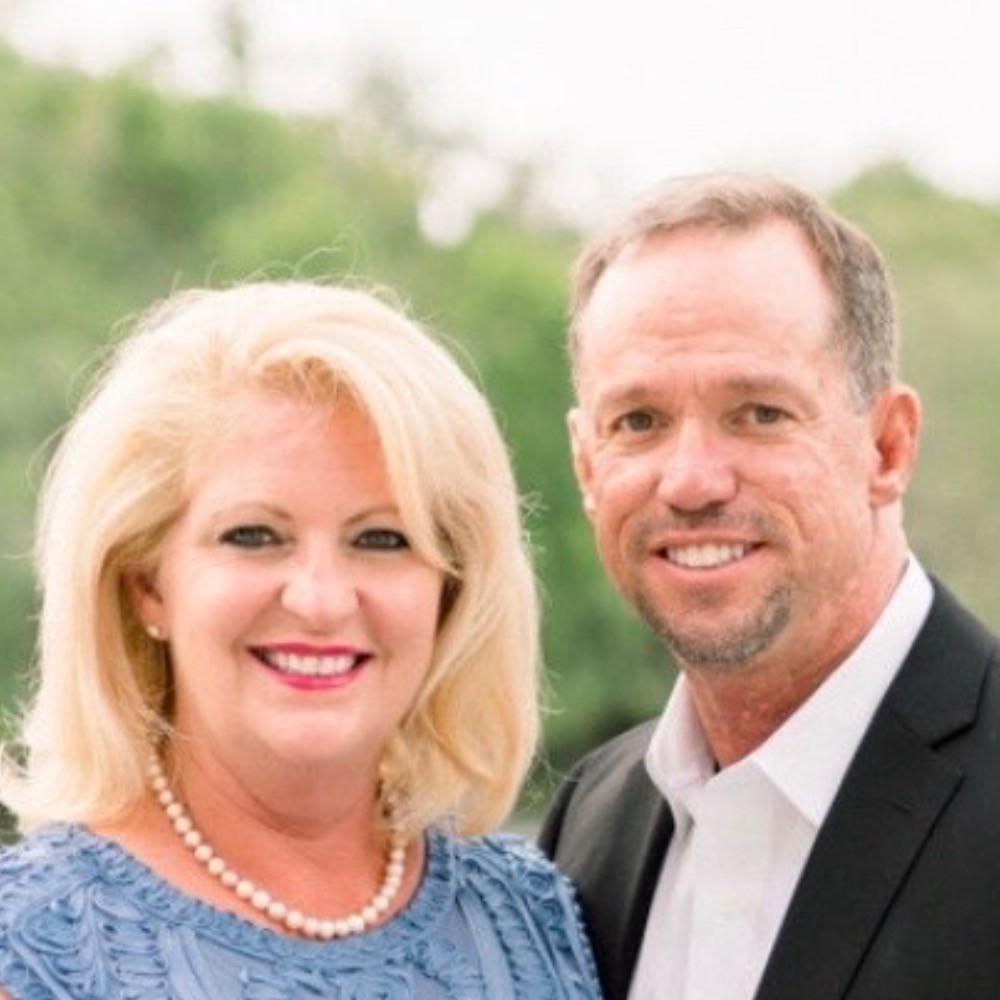
With over 18 years of full-time real estate experience in the Naples real estate market, Carlos and Lisa Cachon are your ideal home-buying partners. Here’s why:
Local Market Expertise: With years of experience in Naples real estate, the Cachon Team has an in-depth understanding of local market trends.
Proven Track Record: The Cachon team is one of the top-producing realtors in Southwest Florida. They also have numerous 5-star reviews, demonstrating their ability to help home buyers efficiently and profitably.
Comprehensive Market Approach: The Cachon Team employs cutting-edge strategies to help you discover new listings. They can also connect with sellers in your ideal area.
Negotiation Skills: Their expertise in negotiation can also help you secure the best possible price for your home.
Seller Satisfaction Guarantees: The Cachon Team offers unique guarantees, providing peace of mind throughout the home-buying process.
To Discuss Your Home Sale or Purchase, Call or Text Today and Start Packing!
Frequently Asked Question
If you purchase a foreclosed property that is still occupied, you may be responsible for legally evicting the occupants according to Florida law. The eviction process involves providing proper notice and, if necessary, obtaining a writ of possession through the courts.