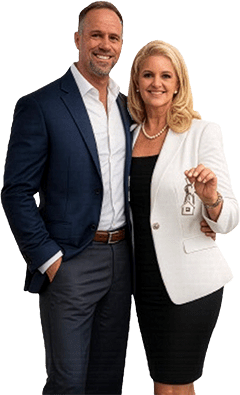

Wondering who closing costs get paid to in a short sale? Understanding how closing costs work in a short sale is crucial for making informed decisions during this challenging time. Unlike traditional home sales, short sales operate under different rules where the lender has significant control over the distribution of funds.
In this blog post, Naples realtor Carlos Cachon and the professionals at Cachon Realty Group - Your Home Sold Guaranteed will discuss who closing costs get paid to in a short sale.
In a short sale, closing costs get paid to various parties including the lender, realtors, title companies, and other service providers. The lender must approve all disbursements, and sellers rarely pay out-of-pocket expenses. All costs are distributed according to the lender’s approved settlement statement, making the process different from traditional sales.
To Discuss Your Home Sale or Purchase, Call or Text Today and Start Packing!
Key Takeaways:
- Closing costs in short sales are paid from sale proceeds, not out-of-pocket by sellers.
- Lenders control and must approve all closing costs before the funds are disbursed.
- Recipients include realtors, title companies, lenders, and various service providers.
Who Do Closing Costs Get Paid to in a Short Sale?
In a short sale, closing costs are typically paid to several parties involved in facilitating and finalizing the transaction. Here’s how the payments are generally distributed:
- Lender (Mortgage Holder): The lender receives the proceeds from the sale, which are less than the outstanding mortgage balance. The lender also approves which closing costs can be paid out of the sale proceeds. This is perhaps the most critical aspect of short sale transactions, as the lender has ultimate authority over fund distribution.
- Realtor: Realtor commissions are usually paid from the sale proceeds, with the lender’s approval. In Naples, the lender typically covers the standard commission, often ranging from 5% to 6% of the sale price, which is split between the buyer’s and seller’s agents.
- Title Company/Escrow Agent: Title and escrow fees, including costs for document preparation, title insurance, and settlement services, are paid to the title company or escrow agent handling the transaction. These professionals ensure that all legal requirements are met and that the property transfer occurs smoothly.
- Other Third Parties: Additional closing costs may go to third parties for services such as appraisals, inspections, recording fees, unpaid HOA dues, or outstanding property taxes. These costs are necessary to complete the legal transfer of ownership and satisfy any outstanding obligations on the property.
As Naples real estate expert Carlos Cachon explains,
“The lender understands that real estate professionals are essential to completing the transaction, so they typically approve reasonable commission structures that help facilitate the sale.”
How Does the Payment Process Work?
The payment process in a short sale is fundamentally different from traditional real estate transactions. Nearly 100% of the time short sellers have no out-of-pocket costs in a short sale, as closing costs are paid out of the proceeds of the sale. This provides significant relief for homeowners who are already facing financial hardship.
In a short sale, the lender must approve all disbursements, and the final distribution of closing costs is detailed in the settlement statement (HUD-1 or Closing Disclosure) at closing.
This document serves as the official record of how funds are distributed among all parties involved in the transaction.
Carlos Cachon notes,
“One of the biggest advantages of a short sale is that homeowners don’t have to worry about coming up with cash for closing costs. The lender handles these expenses as part of the overall negotiation process.”
The lender handling expenses makes short sales particularly attractive for sellers who lack the financial resources to cover traditional closing expenses themselves.
What are Lender Approval Requirements?
Understanding the lender’s role is crucial in short sale transactions. The lender must review and approve every aspect of the closing costs before any funds are released. This includes:
- Reviewing the proposed settlement statement
- Verifying that all parties are receiving appropriate compensation
- Ensuring that the transaction meets their internal guidelines
The approval process can vary significantly depending on the lender and the complexity of the transaction. While some approvals come through in 30 days, others can take 2-4 months. Having an experienced realtor who maintains communication with the lender can help expedite this process.
What are the Benefits for Naples Homeowners?
For Naples homeowners facing financial difficulties, short sales offer several advantages regarding closing costs.
First, a short sale allows homeowners to reduce or avoid fees when the house is sold.
Buyers may also negotiate for the lender to cover some of their closing costs, depending on the deal and the lender’s willingness to approve such arrangements. This flexibility can make the transaction more attractive to potential buyers, ultimately benefiting you as a seller by facilitating a faster sale.
Special Considerations in Florida
Florida’s real estate market has specific considerations that affect short sale closing costs. The state’s transfer tax requirements, homestead exemptions, and local regulations can impact the overall cost structure.
Additionally, Naples’ luxury market conditions may influence how lenders approach short sale approvals and closing cost distributions.
Carlos Cachon emphasizes,
“Every short sale is unique, and working with a knowledgeable Naples realtor who understands both the local market and the short sale process is essential for achieving the best possible outcome.”
Sell a House in Naples Fast with Cachon Realty Group - Your Home Sold Guaranteed
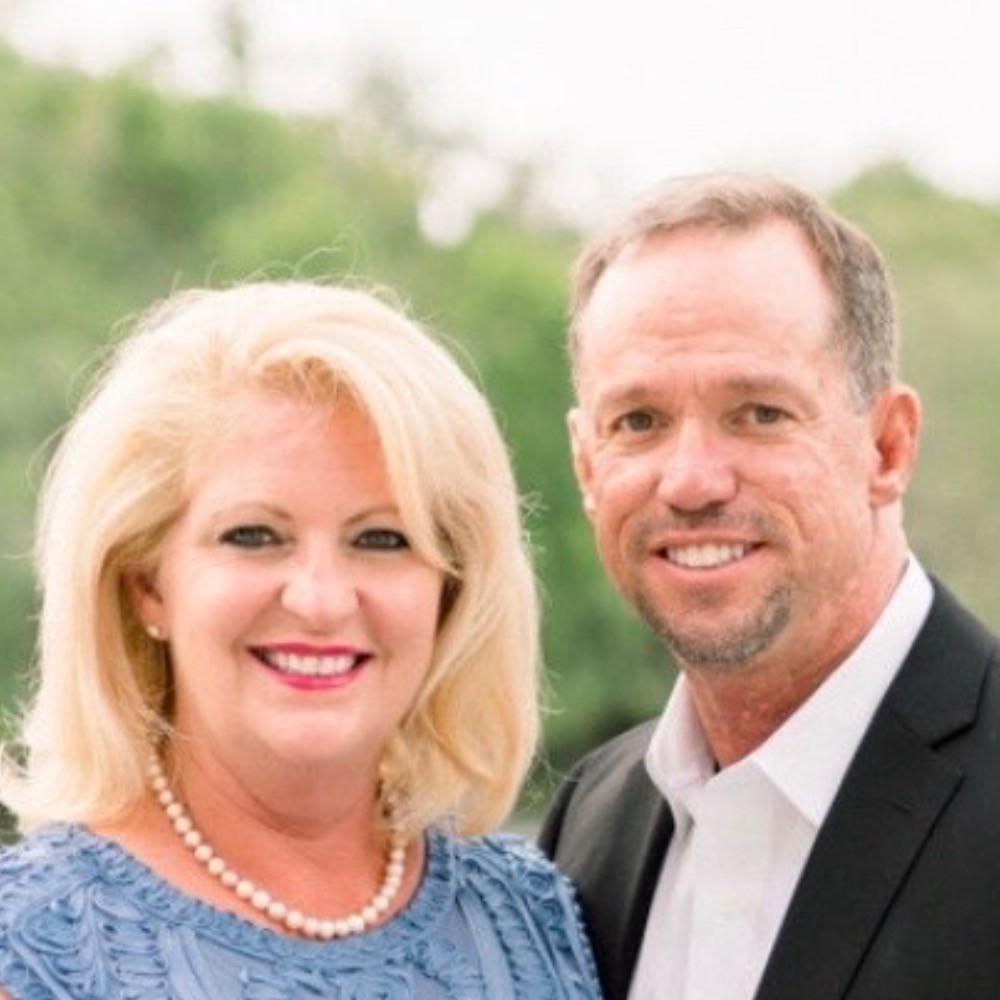
With over 18 years of full-time real estate experience in the Naples real estate market, Carlos and Lisa Cachon are your ideal home-selling partners. Here’s why:
Local Market Expertise: With years of experience in Naples real estate, the Cachon Team has an in-depth understanding of local market trends and buyer preferences.
Proven Track Record: Their consistent ranking as one of the top-producing realtors in Southwest Florida, as well as their numerous 5-star Google reviews, demonstrates their ability to sell homes efficiently and profitably.
Comprehensive Marketing Approach: The Cachon Team employs cutting-edge marketing strategies, ensuring your property receives maximum exposure to qualified buyers.
Negotiation Skills: Their expertise in negotiation can also help you secure the best possible price for your home.
Seller Satisfaction Guarantees: The Cachon Team offers unique guarantees, providing peace of mind throughout the home-selling process.
To Discuss Your Home Sale or Purchase, Call or Text Today and Start Packing!
Frequently Asked Question
All closing costs are itemized in the settlement statement (such as the HUD-1 or Closing Disclosure), which is submitted to the lender for review and approval before closing. The lender examines this statement to ensure all costs are reasonable and in line with their requirements. Only after the lender signs off on the settlement can the transaction proceed to closing.